
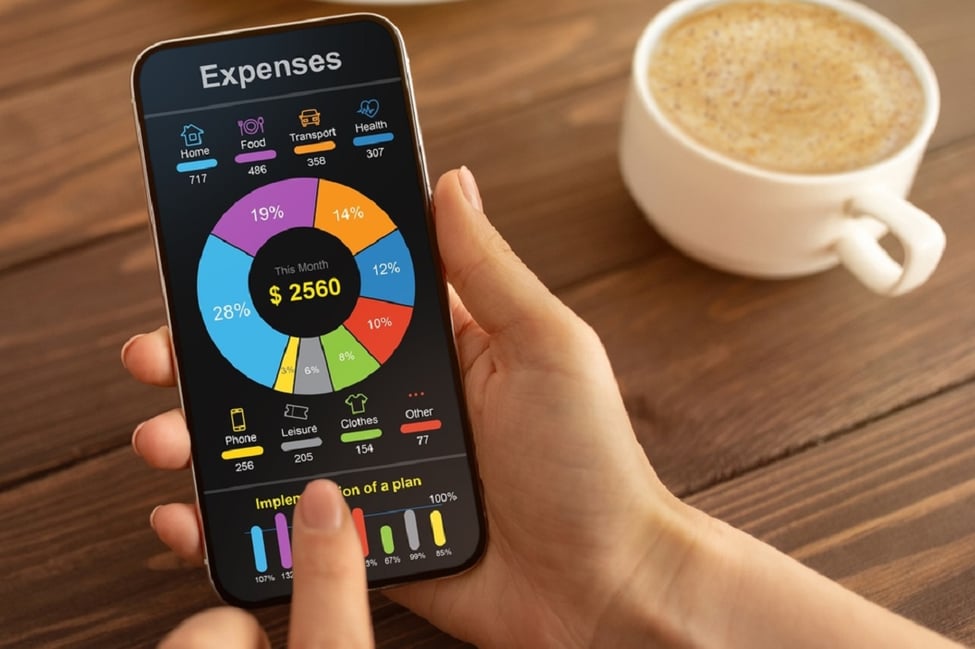
There’s a saying, “whatever you measure, improves.” The same applies to your finances. By tracking your money, you gain clarity on where it goes, helping you spend smarter and save more.
| Fortunately, tracking has become more accessible than ever. Most major banks offer financial tracking tools integrated into their online and mobile banking platforms. However, if you want more advanced features, such as cross-account syncing, generating detailed reports, or setting long-term financial goals, you may want to consider a third-party app. To get started with tracking, review all your account statements to identify patterns. Highlight needs, wants, savings/debts. The “50/30/20 budget” states 50% of expenses should go towards needs, like groceries and mortgage payments, including minimum debt payments, 30 per cent of expenses can go towards wants such as dining out, and 20 per cent of expenses should go towards savings and debt repayments. Keep an eye out for unused subscriptions or unjustified fees. Once you can see where your money is spent, create a budget. A spreadsheet or app can help you with this, depending on your preference. Then monitor your spending regularly to ensure that you are staying within your budget and modify it if your income or expenses change. When you start tracking your spending patterns, you foster greater financial awareness and discipline. Over time, this practice can help to reduce debt and achieve your savings goals sooner, perhaps so you can go on a vacation or retire earlier. | |